14th June 2026.
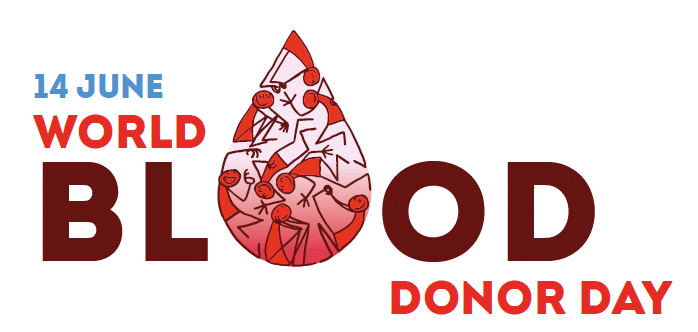
Every year on 14 June, countries around the world celebrate World Blood Donor Day, a global initiative dedicated to thanking voluntary blood donors and raising awareness of the ongoing need for safe blood and blood products.
A single donation can make the difference between life and death
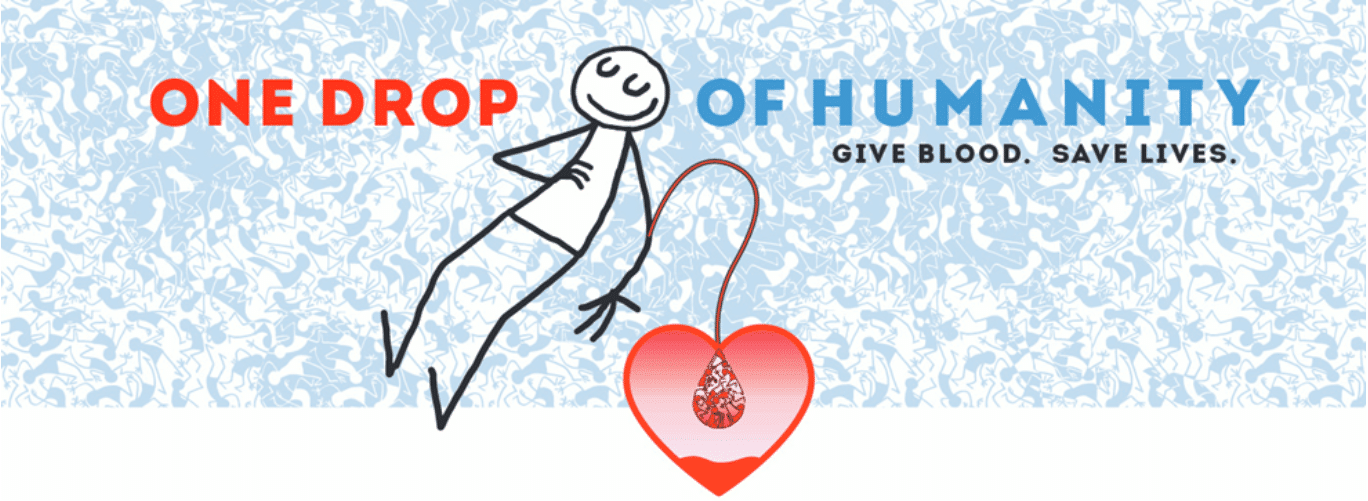
The 2026 campaign theme, “One Drop of Humanity. Give Blood. Save Lives.”, places humanity at the heart of every blood donation. It reminds us that donating blood is far more than a medical procedure: it is an act of solidarity, compassion, and shared responsibility.
A single blood donation may help save multiple lives. For accident victims, patients undergoing surgery, mothers experiencing complications during childbirth, cancer patients, and individuals living with chronic blood disorders, access to safe blood can mean the difference between life and death.
Why World Blood Donor Day Matters
Blood and blood products are essential components of modern healthcare. Every day, hospitals rely on donated blood to treat:
- Patients involved in traffic accidents and emergencies
- Women with severe bleeding during pregnancy or childbirth
- Children suffering from severe anemia
- Cancer patients undergoing treatment
- Individuals requiring major surgery or organ transplantation
- People living with inherited blood disorders
Despite advances in medicine, blood cannot be manufactured artificially. It can only come from generous volunteer donors.
This is why maintaining a stable supply of safe blood remains one of the major public health challenges worldwide.
The Meaning Behind the 2026 Campaign
The World Health Organization (WHO) and its partners selected the slogan:
“One Drop of Humanity. Give Blood. Save Lives.”
The campaign highlights a powerful message: within every drop of donated blood lies a reflection of our shared humanity.
Regardless of nationality, religion, culture, or social background, blood donation connects people through a common purpose, helping others in times of need.
The campaign encourages us to see blood donation not simply as a healthcare intervention, but as a deeply human gesture that strengthens communities and saves lives.
A Global Need for Safe Blood
Access to safe blood transfusion services is considered an essential component of universal health coverage.
Many countries continue to face shortages of blood supplies, particularly during emergencies, natural disasters, disease outbreaks, and seasonal declines in donor participation.
International health organizations emphasize that regular voluntary, unpaid blood donation is the safest and most sustainable way to ensure that patients receive the blood they need when they need it.
A resilient blood supply system depends not only on healthcare institutions but also on the willingness of ordinary citizens to contribute.
Why Donate Blood?
People donate blood for many reasons, but the impact is always the same: helping save lives.
World Blood Donor Day is also an opportunity to recognize the millions of voluntary donors whose generosity often goes unnoticed.
These individuals donate not for recognition or reward, but because they understand that a small act can have an extraordinary impact on another person’s life.
By becoming a blood donor, you can:
- Support emergency and trauma care
- Help patients undergoing life-saving medical treatments
- Strengthen healthcare systems in your community
- Contribute to national preparedness for crises and disasters
- Give hope to patients and families facing critical health challenges
For many recipients, a blood transfusion is not simply a treatment—it is a second chance at life.
One Drop. One Donor. Countless Lives.
World Blood Donor Day 2026 reminds us that extraordinary acts of kindness often begin with simple decisions.
One person.
One donation.
One drop of humanity.
Together, these individual acts create a lifeline that connects communities across the world and helps ensure that safe blood is available whenever and wherever it is needed.
On 14 June, join the global movement. Give blood. Save lives.
For more information and detailed program visit the website.
Published in GI-Mail 06/2026 (English edition).
- Do you already know our monthly newsletter GI-Mail with useful tips on postgraduate courses?
Sign up here. - Are you looking for vacancies or new career challenges? Here you will find the latest vacancies and job offers.
- Do you already know our monthly job-information GI-Jobs with current job offers for doctors, managers and nurses? Sign up here.
- Are you interested in up to date postgraduate courses and CME? In our education database »medicine & health« you will find new education events from over 2300 organizers.