By Martin Winter, MD.
Motivation
During the summer of 2025, I had the opportunity to spend several months in Pittsburgh (Pennsylvania, USA) working on research in robotic cardiac surgery at the University of Pittsburgh Medical Center (UPMC) Presbyterian Hospital. This stay was part of an ongoing collaboration that started earlier in 2023 and developed into a longer-term research project.
Motivated by the rapid evolution of cardiovascular medicine and the increasing shift toward less invasive treatment strategies, I wanted to gain exposure to robotic cardiac surgery.
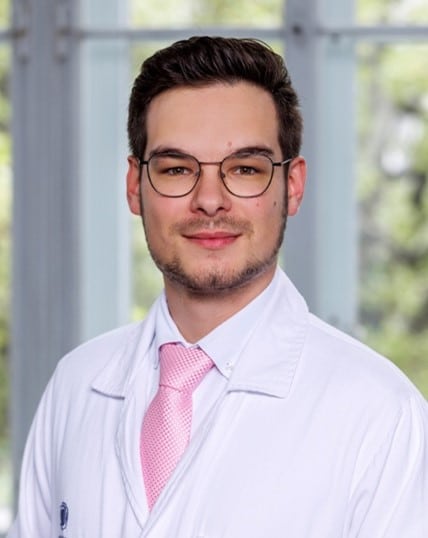
Recognizing that this approach will likely play an important role in the future of the specialty, I aimed to develop a deeper understanding of its clinical application and technical principles. This experience was intended not only to broaden my perspective during training, but also to establish a foundation for a future career in academic cardiac surgery.
Clinical Activities and Working Conditions
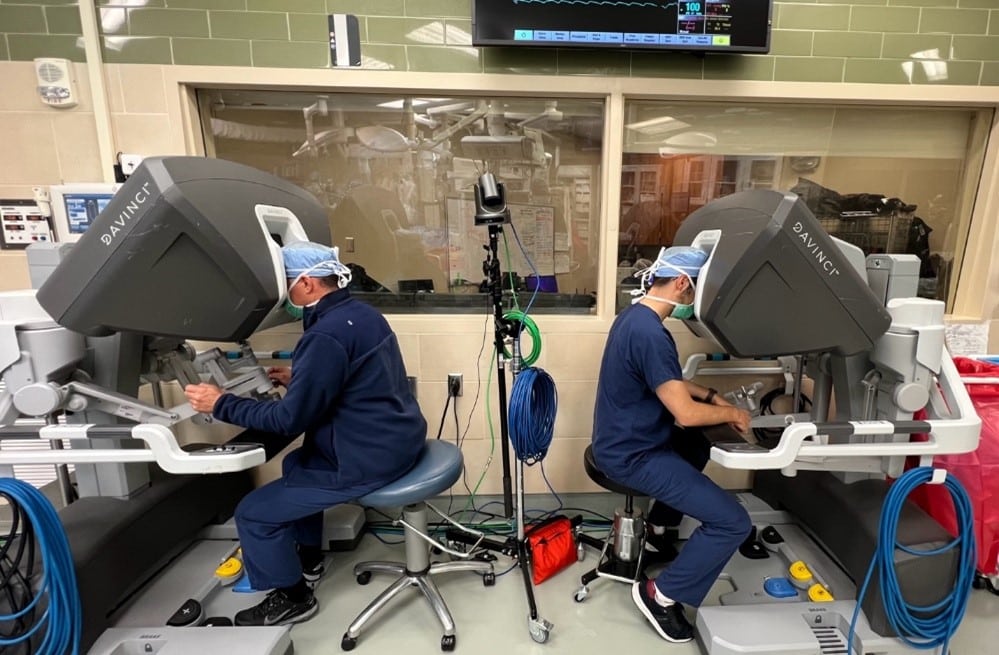
The primary focus of the elective was to gain comprehensive exposure to robotic cardiac surgery, combining clinical observation, research, and simulation-based training. Due to visa regulations and the structure of the elective, direct hands-on patient contact was not possible.
However, in robotic cardiac surgery this represents less of a limitation compared to other surgical fields, as the entire procedure is visualized on high-definition screens within the operating room.
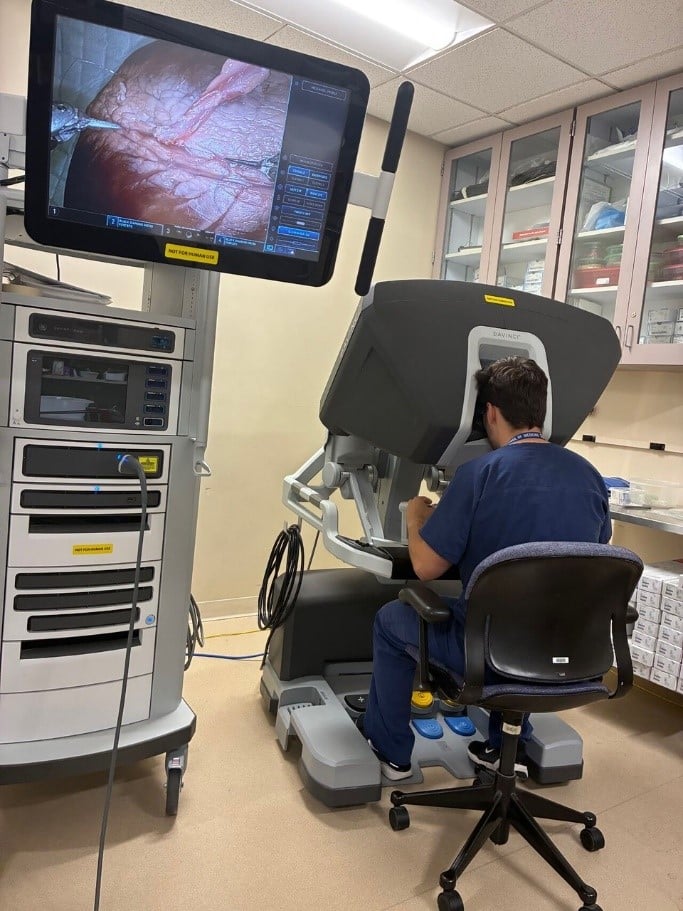
The da Vinci dual-console system further enhances this experience, allowing a second console for residents or trainees to actively observe the procedure in 3D vision (Figure 1). As a result, this clinical observership provided an exceptional level of insight into surgical technique, intraoperative decision-making, and workflow.
The daily routine typically began with early morning rounds at approximately 6:30 AM, followed by operating room exposure on most days of the week. I was able to observe a high volume of cases and interact directly with the operating surgeon during procedures, which allowed for continuous discussion and clarification of technical aspects. Afternoons were usually dedicated either to additional cases or research activities. One day per week was spent in the outpatient clinic, providing further insight into perioperative patient management.
The structure of the elective allowed for a high degree of flexibility and personal responsibility. The extent of clinical and research exposure largely depended on individual initiative and motivation. While there were no requirements regarding working hours, the highly productive clinical and academic environment encouraged active participation and engagement. I was free to structure my day accordingly, which allowed me to maximize both surgical exposure and research output.
Integration into the team was very positive, with attendings and residents being approachable, supportive, and actively involved in teaching. In particular, Dr. Kaczorowksi, Residency Program Director, was very welcoming and enabled valuable insights into surgical training in the United States and close interaction with residents. This also enabled several research collaborations. In addition, structured educational activities were held weekly, including morbidity and mortality conferences, focused teaching sessions and simulation-based training. These sessions were extremely educational and contributed significantly to the overall learning experience.
Workplace and Clinical Elective Experience
The research component mainly focused on outcomes research after robotic coronary and mitral valve surgery. This involved working with a comprehensive database including all robotic cardiac surgery patients, performing data entry, and subsequently defining specific research projects. Due to the very productive research environment, it was possible to develop multiple manuscript drafts, which are currently in different stages of submission and publication. Through this work, I was able to contribute to, and in part also act as first author, on projects focusing on respiratory outcomes and chest tube management after robotic cardiac surgery, quality of life following robotic cardiac surgery, novel approaches such as robotic left ventricular assist device (LVAD) implantation, as well as several instructional videos and articles highlighting different techniques and technical aspects of robotic cardiac surgery.
In terms of clinical observation, I was able to observe all robotic cardiac surgery cases performed at UPMC during my stay. In total, this included more than 50 robotic cardiac surgery procedures, mainly robotic mitral valve surgery and robotic coronary surgery, including totally endoscopic coronary artery bypass grafting (TECAB). In addition, I was exposed to the broader spectrum of robotic cardiac surgery, including atrial septal defect closure, robotic tumor resection, tricuspid valve surgery, and surgery for endocarditis. Beyond robotic procedures, I also gained exposure to open cardiac surgery techniques such as cardiac transplantation, surgery for acute type A aortic dissection, and conventional valve and coronary surgery. In addition, I was able to observe minimally invasive and transcatheter approaches, including TAVR and TEVAR.
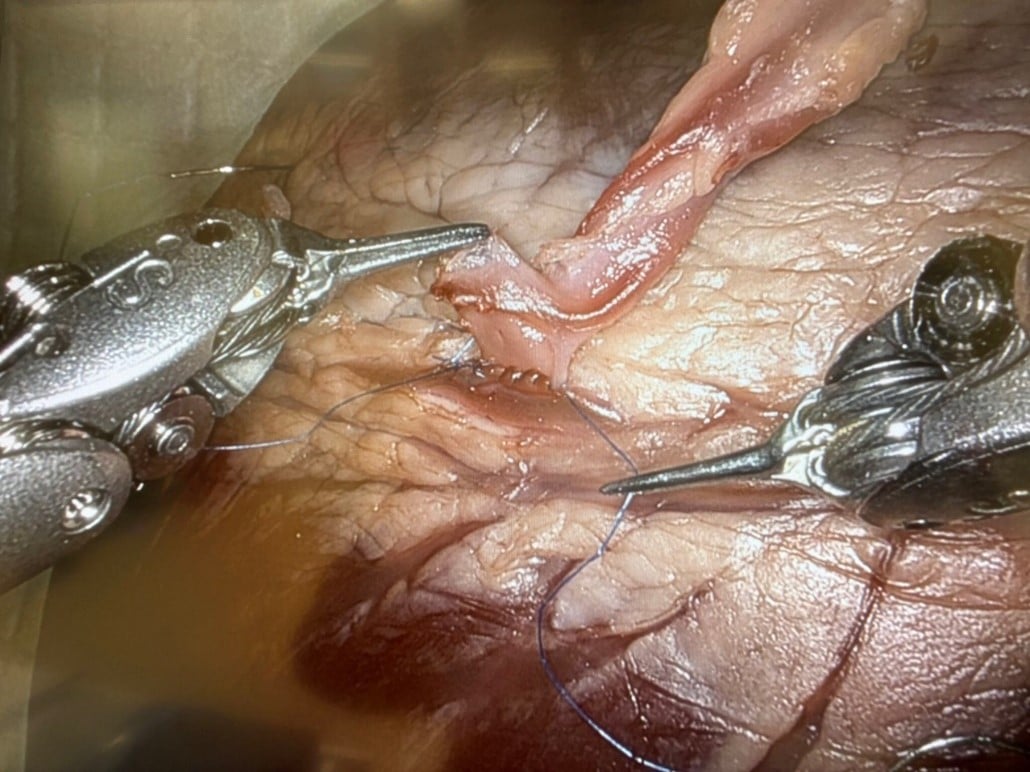
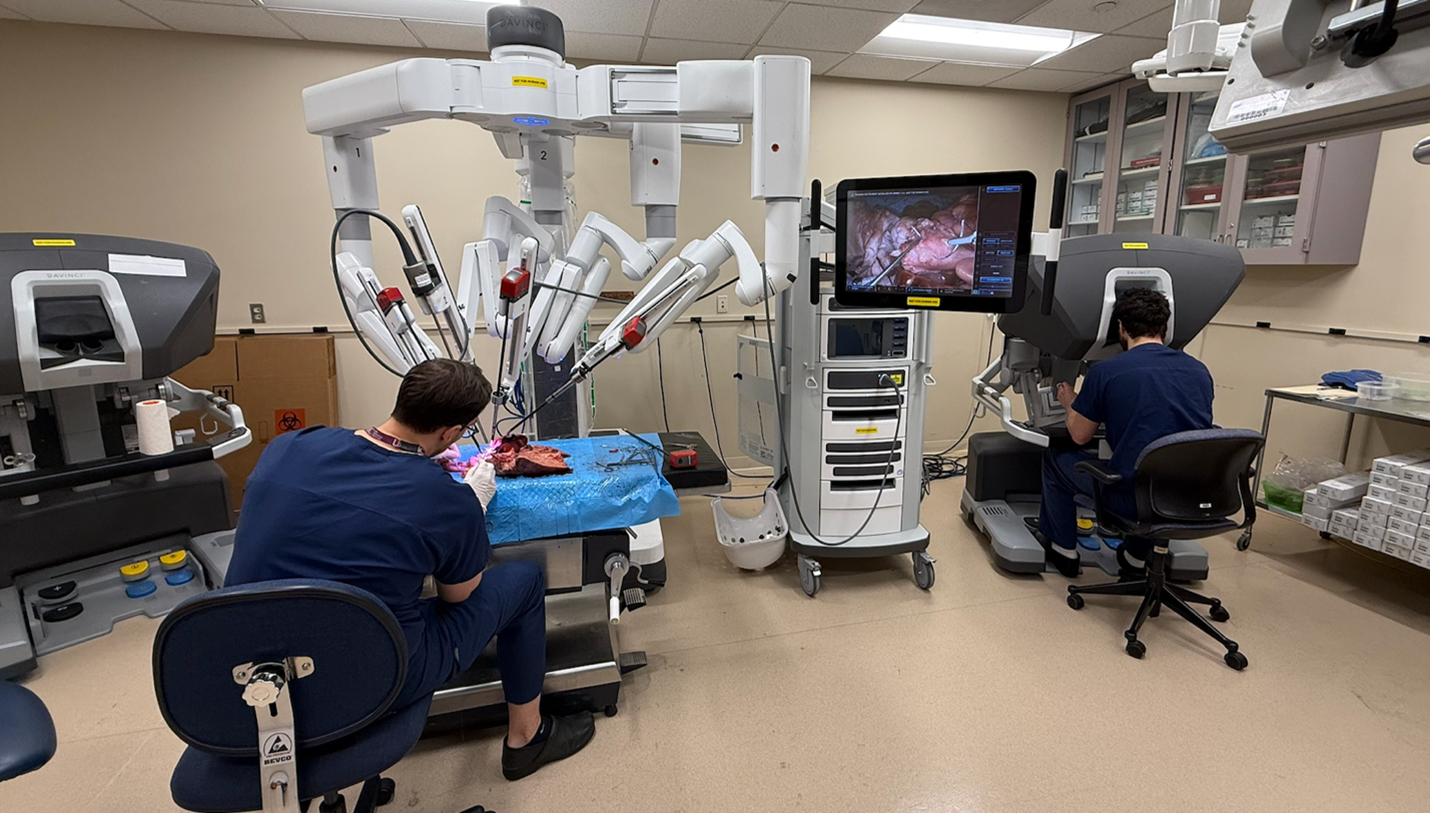
Hands-on training included wet lab and simulation-based exercises and represented an important part of the stay (Figures 2 -4). I had the opportunity to train extensively on the da Vinci robotic surgery simulator and systematically complete all available exercises and training modules. In addition, I participated in porcine wet lab sessions, during which I performed a robotic LIMA-LAD anastomosis (Figure 3) as well as mitral valve repair techniques, including annuloplasty, triangular resection, and neochord implantation.
All of this was made possible by the mentorship of Dr. Johannes Bonatti, who is originally from Austria and currently practicing at the University of Pittsburgh Medical Center. He is professor of Cardiothoracic Surgery and director of the robotic cardiac surgery program and a true pioneer in robotic cardiac surgery.
Dr. Bonatti was consistently welcoming and supportive throughout my stay and beyond.
Beyond enabling me to observe a high volume of complex cases and work on meaningful research projects, he invested substantial time in mentoring me and providing guidance on career development as well as personal and professional growth.
What made this mentorship particularly impactful was that it went far beyond formal supervision. He taught by example, through his approach to surgery, his handling of complications, and the way he interacted with patients and colleagues. His passion for robotic cardiac surgery and his curiosity for continuous improvement was evident in daily practice and strongly shaped my own perspective on the field. Through regular, daily discussions he openly shared his experience, decision-making processes, and views on surgical training and career development. This combination of professional guidance, personal openness, and genuine enthusiasm made the mentorship truly exceptional.
Overall, this experience combined research, clinical observation, hands-on lab and simulator training, and mentorship, and has strongly influenced my interest in pursuing a career in academic cardiac surgery. I look forward to applying the knowledge and skills gained during this time in my future training.
Travel and health insurance were arranged privately prior to departure through the insurance company Wiener Städtische. In addition, professional liability insurance was mandatory for participation in clinical activities, including observation. This was organized via the Austrian Students’ Union (ÖH Med) as an extension to existing coverage, providing worldwide protection, including the United States.
Free time activities/ City/ Tourism
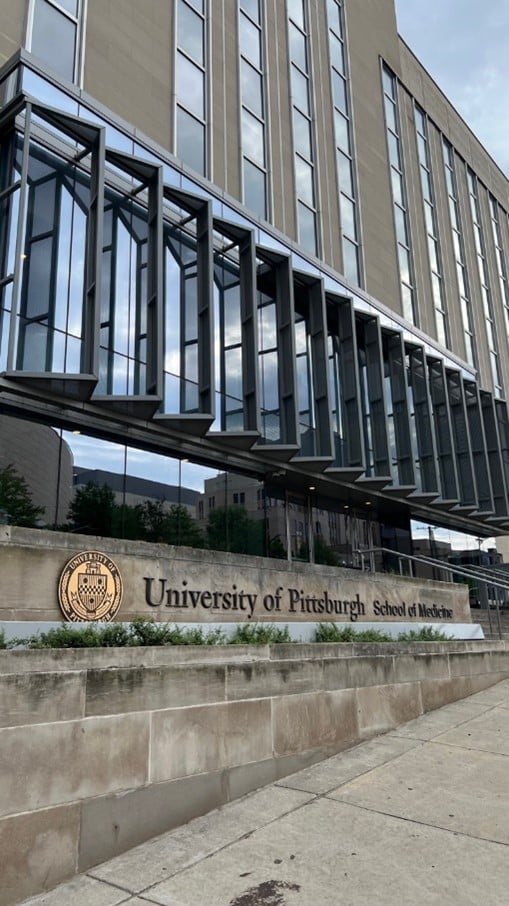
Pittsburgh is an excellent city to live in, especially compared to other large U.S. cities, as it remains relatively affordable while offering a high quality of life. The Oakland area, home to the University of Pittsburgh (Figure 5) and Carnegie Mellon University, has a vibrant student atmosphere with many restaurants, cafés, and bars. There are also numerous parks and green spaces; running routes in Oakland and Shadyside as well as along the river trails are particularly enjoyable.
Public transportation in the Oakland area is reliable and affordable, contrary to common perception of public transport in the United States, with good bus connections, including direct lines from the UPMC campus to the airport.
This made weekend trips to cities such as New York City, Boston, Washington, D.C., and Philadelphia convenient and enjoyable.
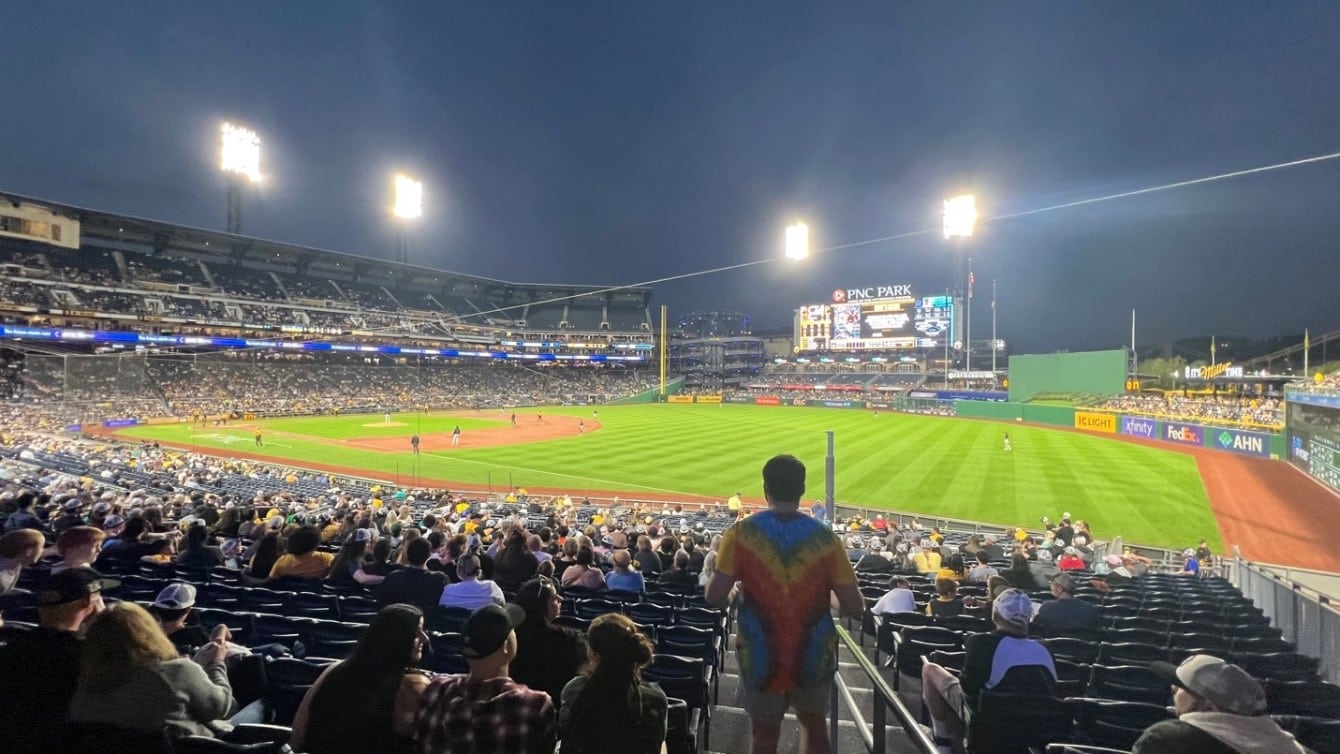
In addition, Pittsburgh has a strong sports culture, with three major professional teams competing at the highest level: the Pittsburgh Steelers (NFL), Pittsburgh Penguins (NHL), and Pittsburgh Pirates (MLB), offering a unique opportunity to experience American sports firsthand (Figure 6).
Cost table / Cost overview for 3 months
| Description | Costs in Euro |
|---|---|
| Accommodation (per person) / month | 700 |
| Food and beverages / month | 500 |
| Transport (public transportation) / month | 20 (excl. flights) |
| Leisure activities (entrance fees, excursions) / month | 400 |
| Total monthly costs | 1620 |
| One-time costs | |
| Flight (round trip) | 850 |
| Total costs for 3 months | 5710 |
Interesting websites
- UPMC Department of Cardiothoracic Surgery: Official website of the UPMC Department of Cardiothoracic Surgery, providing an overview of clinical programs, research activities, and faculty.
- UPMC Cardiac Surgery – Program Overview (Video): Introductory video presenting the cardiac surgery program at UPMC and its clinical approach.
- Johannes Bonatti, MD – Faculty Profile: Profile of Dr. Johannes Bonatti, outlining his clinical expertise, research focus, and role in robotic cardiac surgery.
- UPMC Robotic Cardiac Surgery Program: Overview of the UPMC robotic cardiac surgery program and its clinical innovations.
- Robotic Heart Surgery at UPMC – News Feature: News article highlighting robotic cardiac surgery at UPMC and its impact on patient care.
- University of Pittsburgh : Homepage of the University of Pittsburgh, providing general information about the institution
- Things to Do in Pittsburgh : Overview of attractions and activities in Pittsburgh, including cultural, recreational, and tourism options.
Selected publications and media resulting from this research experience
- Subcutaneous emphysema in patients undergoing robotic cardiac surgery: risk factors and clinical outcome
- Minimally invasive and robotic techniques for implantation of ventricular assist devices in patients with heart failure
- Small cuts, big questions: the impact of incision length in minimally invasive robotic cardiac surgery
- Robot-Assisted Minimally Invasive Left Ventricular Assist Device Insertion
- What does the automated performance metric “console time” tell in robotically assisted mitral valve repair
- Robotically assisted outflow graft anastomosis in minimally invasive left-ventricular assist device implantation: feasibility, surgeon comfort, and operative times in an anatomical study
- How to perform distal anastomosis using a robotic platform: totally endoscopic coronary artery bypass
Photos
Contact
If you have any questions about Martin Winter´s internship abroad, or if you have any questions for Martin Winter personally, please contact the GI editorial team directly. Send us an email at: media@goinginternational.org
Do you have questions about working and continuing education or job hunting and careers? Then write to Ms. Seitz: office@goinginternational.org
Citation:
Winter, Martin: “Clinical Research Rotation in Robotic Cardiac Surgery at UPMC Pittsburgh – At the Cutting Edge of Robotic Cardiac Surgery – A Clinical and Academic Experience”
This publication is available for download here.
Will be published in GI-Mail 04/2026 (German edition).
- Are you familiar with our monthly newsletter GI-Mail, which features tips on postgraduate courses and conferences? Click here to subscribe.
- Are you looking for new professional challenges, jobs, or vacancies? You can find the latest job openings here.
- Are you familiar with our monthly job newsletter GI-Jobs, featuring current job openings for physicians, managers, and certified nursing professionals? Click here to subscribe.
- Are you interested in new postgraduate courses and CME continuing education? You can find the latest courses and conferences from over 2,300 organizers in the “medicine & health” education database.